
Coaching Skills Managers Need for Today’s Workforce
Leadership coaching is no longer optional. Modern workplaces demand leaders who can coach, not just manage. While managers focus on tasks, processes, and outcomes, coaching leaders focus on people, growth, and long-term performance.
Leadership coaching is best understood as a series of purposeful conversations. These conversations help individuals learn, reflect, and progress in their roles. The goal is not to instruct, but to enable people to think clearly and act effectively.
From Managing to Coaching
Many high-performing individual contributors are promoted into leadership roles. However, success as an individual does not automatically translate into success as a leader. Without leadership coaching skills, many new managers struggle.
Managers with strong coaching skills tend to excel at people management and consistently deliver results. They invest time in understanding their team members, guiding them, and helping them reach their next level of effectiveness.
Types of Coaching Leaders Should Practice
Leadership coaching is not limited to performance correction. Effective leaders apply coaching across multiple areas:
Career Coaching
Career coaching should begin from day one and continue regularly. One-on-one conversations about growth, aspirations, and future roles help employees see a long-term path within the organization.
Life Coaching
Life coaching is not about moral judgment. Simple guidance on healthy habits and well-being shows genuine care. This strengthens trust and contributes to a positive workplace culture.
Business and Organizational Coaching
Helping team members understand how the business operates builds context and motivation. It encourages them to think beyond their immediate role and aspire to larger responsibilities.
Performance Coaching
Performance coaching is often misunderstood. It should not be a last step before exit. When done early and constructively, it helps individuals correct course and improve outcomes.
Leadership Coaching
Leadership coaching prepares future leaders. It equips individual contributors with people management skills before they step into leadership roles.
Core Principles of Leadership Coaching
Leadership coaching requires leaders to step back from telling and start listening. The focus shifts from control to stewardship. Goals are mutually agreed upon, not imposed. This creates ownership, purpose, and engagement.
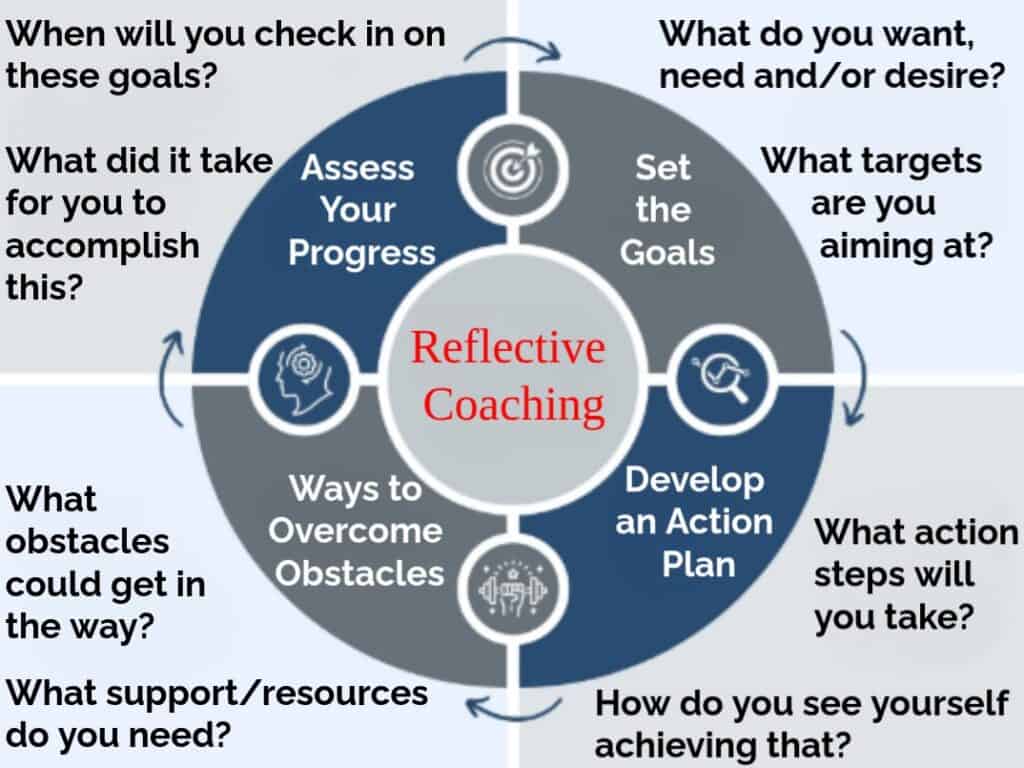
Effective coaching leaders ask thoughtful questions, listen actively, and allow team members to propose solutions. This approach builds confidence and encourages innovation.
Essential Coaching Skills for Leaders
Strong leadership coaching rests on three core skills:
- Clarity on outcomes and intent
- Effective questioning combined with active listening
- Objective feedback based on observable behavior
While skill development matters, leaders should focus more on amplifying strengths than fixing every weakness. This accelerates growth and performance.
Feedback That Builds Trust
Feedback is most effective when delivered thoughtfully. Public recognition reinforces positive behavior. Constructive feedback is best handled in private, using a structured approach that focuses on the situation, behavior, and impact.
Leadership coaching works best when the tone remains positive and future-focused. The emphasis should always be on what to do next, not on what went wrong.
Empower your managers to become confident, effective leaders through our tailored Training the Trainers program. Contact us to get started.